8 Signs Your Plumbing Needs Immediate Attention
Plumbing hides in walls and under floors, so problems can grow without a clear sign. A small leak can turn into a soaked ceiling. A slow drain can become a backup on a busy morning. Catching warning signs early saves money, time, and stress. This blog explains eight clear signs that call for fast action. The words are simple, but the facts are solid. You’ll see what each sign means, what you can check safely, and when a licensed plumber should step in. A few checks—like reading a water meter, using a pressure gauge, or listening for odd sounds—can tell you a lot. Use the tips below to spot trouble before it grows.
Persistent Low Water Pressure In Many Taps
Low pressure in one faucet might be a clogged aerator. Low pressure in many tap points points to a bigger issue. Normal home water pressure is about 40–60 psi (pounds per square inch). You may verify it by buying a cheap pressure gauge and attaching it onto an outside hose bib. If the gauge reads below 40 psi in normal use, your system may have problems:
- A partly closed main shutoff valve
- A failing pressure-reducing valve (PRV)
- Mineral buildup inside pipes from hard water
- A hidden leak in the lowering system pressure
Suppose pressure drops when a shower and a washer run at the same time, your pipes could be undersized or partly blocked. A PRV that hums or chatters may be near failure. Don’t ignore very high pressure either—over 80 psi can damage appliances and burst hoses. A plumber can adjust or replace the PRV and flush lines to restore safe, steady flow.
Sudden Spike In Your Monthly Water Bill
A bill that jumps without a change in use usually means water is escaping. First, read your water meter. Make sure all fixtures are off, then check the small leak indicator (often a triangle). If it moves, you likely have a leak. Wait 30 minutes with the water off and take another reading. A change confirms the suspicion.
Common hidden culprits include:
- Running toilets that refill every few minutes
- Underground or slab leaks you can’t see
- Drip leaks at hose bibs or outdoor lines
- Irrigation valves stuck partly open
Toilet leaks are huge water wasters. A worn flapper can waste hundreds of gallons a day. Put a few drops of food coloring in the tank. If the bowl turns color without flushing, the flapper is leaking. If you suspect a slab leak, a pro can perform a pressure test and use acoustic tools to listen for water under the floor. Fixing the leak brings the bill back down and protects your home.
Ceiling Stains, Damp Walls, Or Bubbling Paint
Brown rings on ceilings, soft drywall, or bubbling paint mean moisture has been there for a while. Water often travels before it shows, so the stain may not sit right under the leak. Over time, drywall loses strength and can grow mold. That’s why moisture mapping matters.
Useful checks:
- Run each nearby fixture, one at a time, for five minutes
- Look for drips at tub overflows and shower valves
- Use a simple moisture meter to compare wet vs. dry areas
- Check the attic or crawl space while someone runs water
If the stain grows after a shower, suspect the shower pan, grout lines, or a failed seal around fixtures. If it worsens when it rains, look for roof or flashing leaks near vent pipes. Remember: drywall can hold water like a sponge. Even if the surface dries, the cavity may stay wet. A plumber can open a small inspection hole, locate the source, and repair lines before you replace finishes.
Drains Gurgle Or Smell Like Rotten Eggs
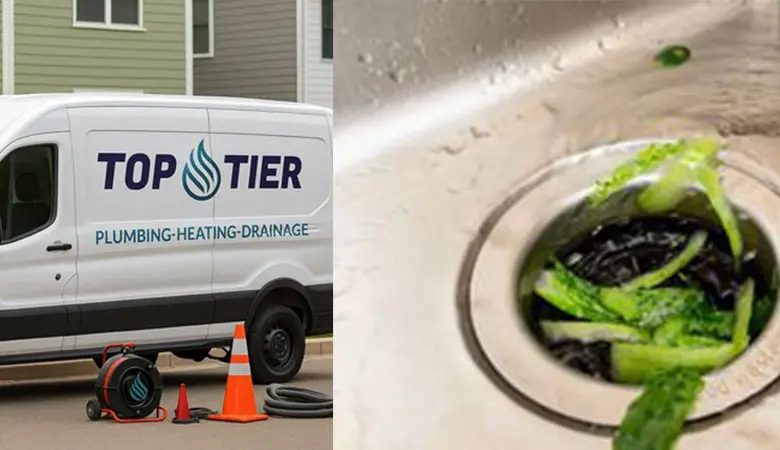
Gurgling hints at venting trouble. Every drain needs air from a vent stack to keep water moving. When vents are blocked (leaves, birds’ nests, snow caps), drains pull air through traps and make a “glug-glug” sound. That can also empty the P-trap, the U-shaped bend that holds water to block sewer gas. If you smell rotten eggs (often hydrogen sulfide), act fast.
Try these steps:
- Run water in little-used fixtures to refill dry traps
- Clean hair and soap scum from stoppers and strainers
- Check the roof vent if it’s safe, or call a pro
- Use the cleanout to check for a partial sewer line blockage
If many drains are slow, the main line could be clogged by grease, wipes, or tree roots. A plumber can snake the line or use a camera to see inside. Proper venting and clear lines stop gurgles, remove smells, and guard health.
Water Heater Pops, Leaks, Or Heats Poorly
Your water heater should be quiet and steady. Popping or rumbling means sediment on the bottom is trapping steam. This loses energy and puts stress on the tank. Most tanks last between 8 and 12 years. Look at the label for age.
Key points:
- Set the temperature to 120°F (49°C) to reduce scald risk and scale
- Flush a few gallons from the drain valve twice a year to clear sediment
- Check the anode rod (it sacrifices itself to stop rust) every 2–3 years
- To test the temperature and pressure relief (TPR) valve, lift the lever for a short time.
Wet spots under the heater, rust streaks, or a weeping TPR valve need attention now. If your home has a closed system with a PRV, you may also need an expansion tank to control pressure. A failing heater can burst; replacing it before that happens avoids water damage and cold showers.
Toilet Runs Nonstop Or Refills By Itself
A toilet that never stops hissing, or that refills every few minutes, is more than a small annoyance. The usual culprits are a worn flapper, a dirty or mis-set fill valve, or a chain that keeps the flapper from sealing. Simple checks you can do:
- Put food dye in the tank; color in the bowl = leak
- Make sure the chain has a little slack
- Clean the fill valve with the cap off (follow the valve’s directions)
- Set the water level to the mark on the overflow tube
A toilet that runs can waste thousands of gallons of water per month. If you hear a “ghost flush,” water is leaking from the tank to the bowl, and the fill valve is topping it off. If parts are old, a rebuild kit is cheap and effective. If you have many toilets acting up, high pressure or debris in the line might be to blame. A plumber can set pressure and replace valves fast.
Frequent Clogs Even After Careful Daily Use
If you’re careful—no wipes, no grease, strainers in sinks—but clogs keep coming back, the problem may be in the sewer line. Pipes made of clay or cast iron that are older can move or break. Tree roots often slip through joints and act like nets, catching debris. Even a brand-new line can clog if it lacks proper slope (about 1/4 inch per foot for small drains).
What helps:
- A camera inspection to see cracks, bellies, or roots
- Hydro-jetting to clear heavy grease and scale from pipe walls
- Spot repair or trenchless lining for damaged sections
- Teaching the house the basics: only toilet paper down toilets
Repeated use of harsh drain cleaners can damage pipes and push clogs deeper. If tubs, showers, and toilets all gurgle or back up at once, stop running water and call for help. Clearing and fixing the main line stops the cycle of clogs and surprise messes.
Visible Corrosion, Green Stains, Or Pinhole Leaks
Green or white crust on copper, rust on steel, or tiny pinhole leaks are early warning signs. Corrosion can be driven by water chemistry. Most homes do well when the water pH is between 6.5 and 8.5. Low pH (more acidic) can cause copper to be eaten and cause blue-green stains. Mixing metals without proper dielectric unions can also set up galvanic corrosion.
Watch for:
- Blue-green stains at sinks and tub drains
- White crust at joints and shutoff valves
- Damp spots under cabinets or in ceilings
- Musty smells near pipe runs
Small leaks often spray a fine mist that dries fast and escapes notice. Wrap a paper towel around a suspect joint; if it dries stiff, water was there. Replacing failing sections, adding dielectric fittings, and checking pressure are smart moves. If many leaks appear in a short time, it may be wiser to repipe a whole branch than chase holes one by one.
Call A Pro Before Small Issues Grow
You don’t have to be an expert to see problems coming. Listen for new sounds, look for stains, read your meter, and check your pressure. When signs point to leaks, venting trouble, hot water problems, or sewer line issues, quick help protects your home and budget. Top Tier Plumbing Heating and Drainage offers reliable plumbing maintenance and repair services. We can test, diagnose, and fix issues before they turn into big repairs. A short visit today can stop a long repair later. If you’ve seen any of these indicators, get in touch and get your system back on track.